
BIPV
August 2, 2023
Building-integrated photovoltaics (BIPV) are advancing the construction industry by seamlessly integrating solar power systems into various building components. While integrated solar technology encompasses a wide range of applications, this blog will explore two key types of BIPV systems: solar facades (cladding) and solar railings. These innovative solutions not only generate clean energy but also enhance the aesthetic appeal and functionality of buildings. Let's delve into the world of BIPV and discover the potential of these remarkable technologies.
Solar facades offer a unique and visually striking BIPV solution. By integrating solar panels into the building's exterior cladding, building envelopes become active energy generators. Solar facades can be customized to match the design aesthetic of the building, blending seamlessly with the overall architecture. These BIPV systems capture sunlight and convert it into electricity, contributing to the sustainable transformation of buildings and showcasing the harmonious combination of clean energy and design excellence.
Solar railings combine safety features with renewable energy generation. These BIPV systems integrate solar panels into the railings of balconies, terraces, etc., transforming them into energy-generating elements. Solar railings offer a dual-purpose solution by providing protection and contributing to the overall energy efficiency of the building. These systems can be customized in terms of size, transparency, and design, enabling architects and designers to create visually appealing and sustainable railing solutions.
BIPV allows buildings to generate clean and renewable energy on-site, reducing reliance on traditional energy sources and lowering carbon emissions.
Integrated solar technology seamlessly integrates into building components, enhancing the visual appeal and architectural design of structures. Solar facades and railings not only generate energy but also contribute to the overall aesthetics of the building.
BIPV solution optimizes energy usage by generating electricity directly at the point of consumption. This reduces transmission losses and enhances overall energy efficiency.
BIPV systems offer design flexibility, enabling customization to match the unique requirements and architectural styles of each building project.
By utilizing renewable energy sources, these solutions promote sustainability and contribute to a greener future. They reduce reliance on non-renewable energy sources and help mitigate climate change. As we explore the types of BIPV, it becomes evident that solar facades and railings are redefining the way buildings generate and utilize energy. These BIPV applications showcase the fusion of clean energy generation with architectural design and functionality. With their numerous benefits, BIPV systems are at the forefront of sustainable building, offering an integrated solution for a greener and more energy-efficient future.
News & Articles
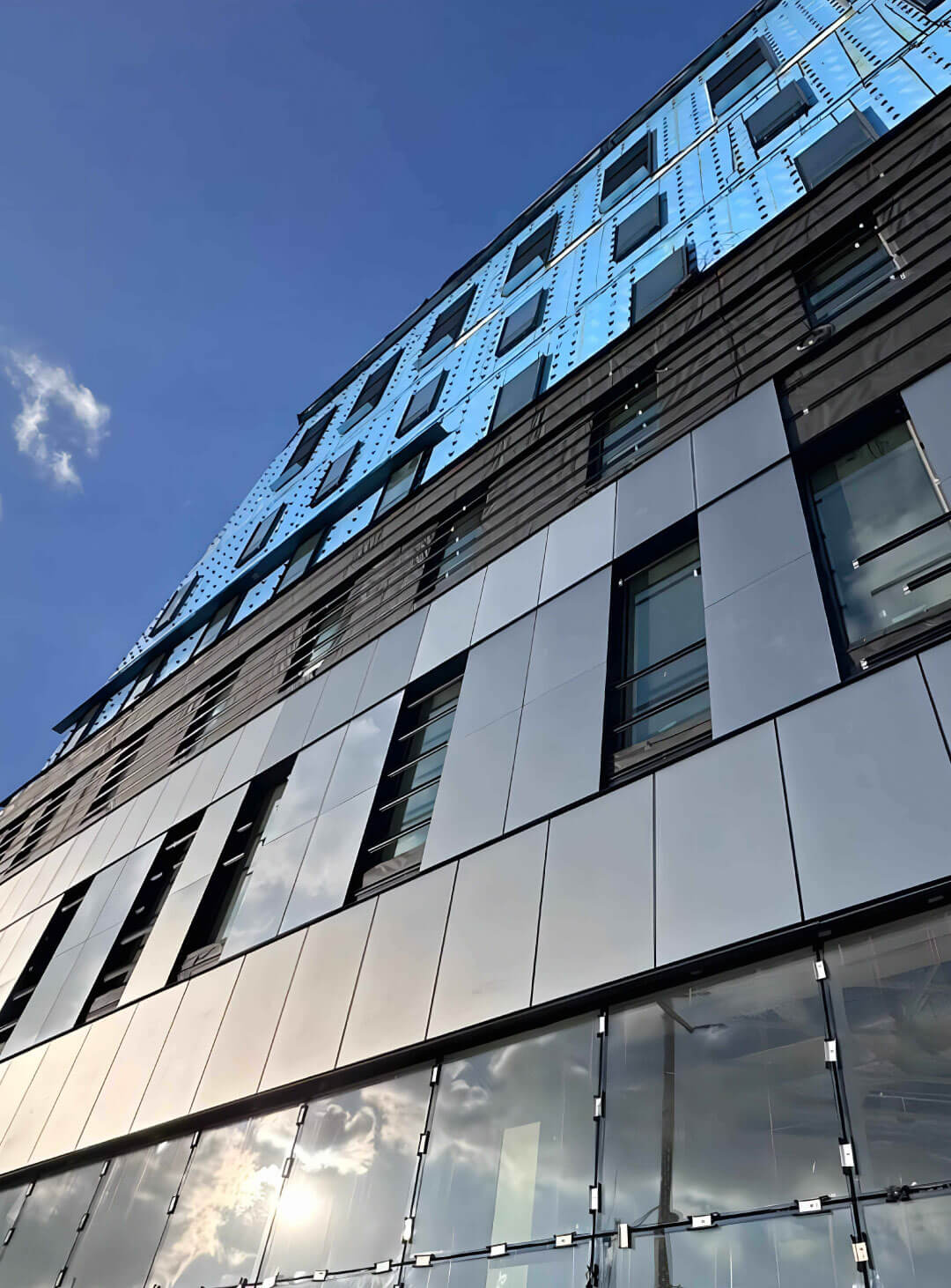

Mitrex solar facades combine the function of building cladding with long-term on-site energy generation, transforming the building envelope into an income-generating asset. While upfront costs may exceed conventional materials in some scenarios, stacked incentives, operational savings, and long-term durability significantly improve lifecycle value and payback performance.
Mitrex solar facades combine the function of building cladding with long-term on-site energy generation, transforming the building envelope into an income-generating asset. While upfront costs may exceed conventional materials in some scenarios, stacked incentives, operational savings, and long-term durability significantly improve lifecycle value and payback performance.

Buildings account for a significant share of global carbon emissions, driven by both operational energy use and embodied carbon in construction materials. Building-Integrated Photovoltaics (BIPV) offer a unique opportunity to address both challenges simultaneously. By integrating solar energy generation directly into the building envelope, Mitrex BIPV systems enable buildings to generate clean electricity onsite while contributing to long-term energy efficiency and sustainability goals.
Buildings account for a significant share of global carbon emissions, driven by both operational energy use and embodied carbon in construction materials. Building-Integrated Photovoltaics (BIPV) offer a unique opportunity to address both challenges simultaneously. By integrating solar energy generation directly into the building envelope, Mitrex BIPV systems enable buildings to generate clean electricity onsite while contributing to long-term energy efficiency and sustainability goals.
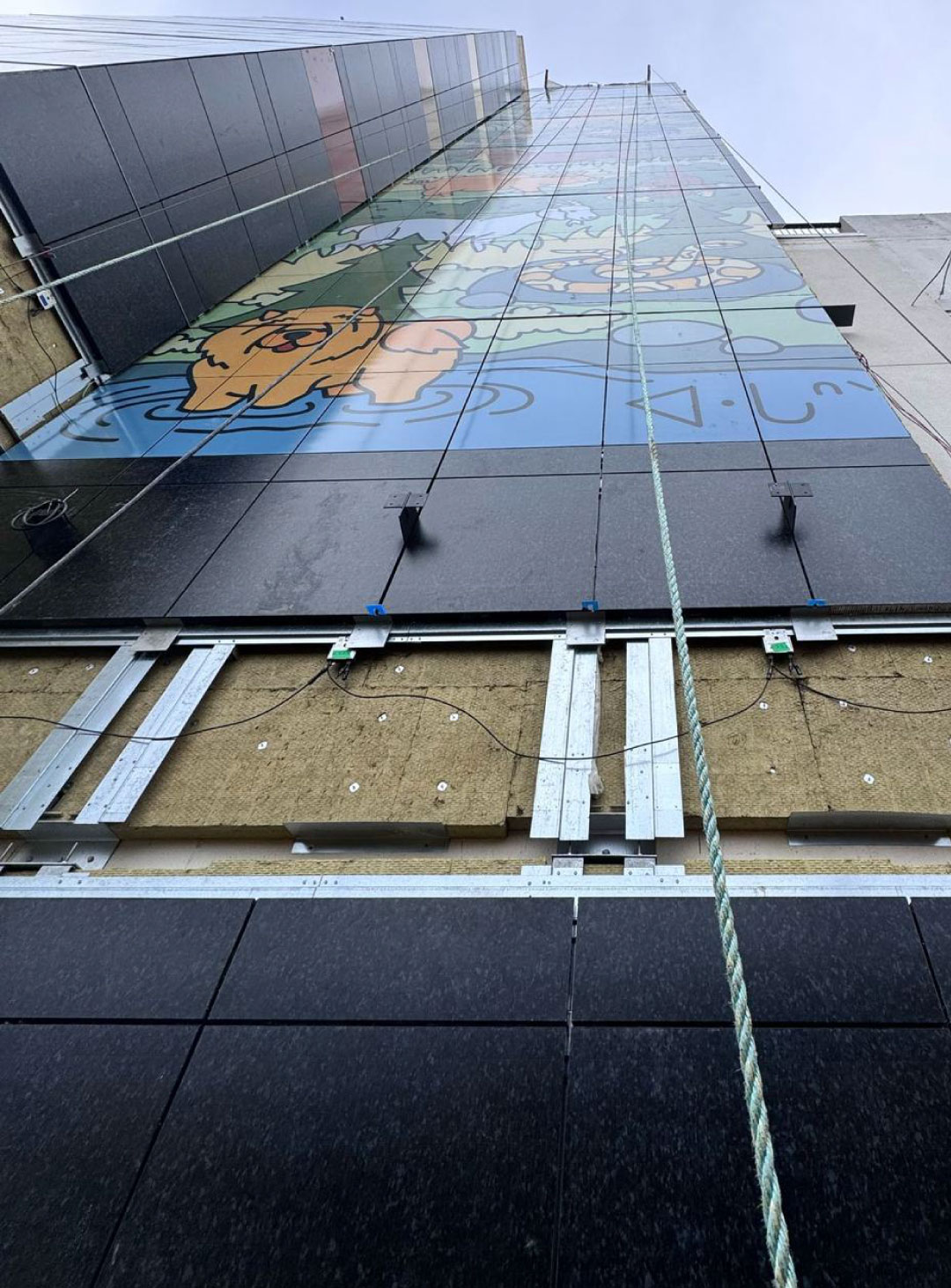
This guide outlines the full retrofit process for integrating Mitrex building-integrated photovoltaics (BIPV) into existing facades. It walks property owners and contractors through evaluating retrofit goals, structural assessment, code compliance, design assist, installation sequencing, long-term maintenance, and quality assurance, supported with real-world examples from Mitrex retrofit projects.
This guide outlines the full retrofit process for integrating Mitrex building-integrated photovoltaics (BIPV) into existing facades. It walks property owners and contractors through evaluating retrofit goals, structural assessment, code compliance, design assist, installation sequencing, long-term maintenance, and quality assurance, supported with real-world examples from Mitrex retrofit projects.

.svg)
